
Ottawa election issue
Community Safety
Compare how Ottawa's mayoral candidates would approach policing, civilian crisis response, by-law enforcement, emergency services, downtown disorder, neighbourhood safety and prevention.
Issue overview
Why Community Safety matters
Community safety in Ottawa includes more than conventional policing. Residents expect timely police, fire and paramedic response, safe streets and transit, effective by-law enforcement, support for victims, and visible action when neighbourhood disorder affects homes and businesses. At the same time, many calls involve mental illness, substance use, homelessness or other needs that police alone cannot resolve. The municipal debate is therefore about which response should attend each call, how frontline services should be staffed, and how enforcement, prevention, housing, treatment and crisis response should work together.
The City’s 2026 budget increased investments across emergency and protective services. It funded 23 additional paramedics, six new by-law positions and 25 new Ottawa Police Service positions, while the police tax requirement rose by five percent. Ottawa also accelerated the Alternate Neighbourhood Crisis Response program, known as ANCHOR. The City reported that ANCHOR received 4,464 calls in its first year and handled 92 percent without police intervention. These figures are central to the election debate because they demonstrate both continued demand for policing and the potential for civilian crisis response.
Downtown and ByWard Market safety is another major focus. Current measures combine visible police and special-constable presence, private security, improved lighting and public spaces, coordinated homelessness outreach, paramedic services, cleanup operations and links to housing, health and addiction supports. The issue is not simply whether downtown is safe or unsafe; it is whether these measures produce durable improvements for residents, workers, businesses, visitors and people experiencing homelessness.
Mark Sutcliffe supports a blended enforcement-and-support model. His record emphasizes record public-safety investment, additional police and paramedic staffing, expansion of ANCHOR, increased downtown security, the ByWard Market Neighbourhood Operations Centre, street lighting and coordinated outreach. His position treats visible police presence and alternative crisis response as complementary rather than competing strategies.
Jeff Leiper proposes a more formal division of responsibilities. He would make ANCHOR funding permanent, expand it citywide and link its growth to increases in the police budget. He would move non-core calls toward alternative response models so police can focus on community safety, increase by-law staffing based on demand, and seek federal agreements covering the unusual policing costs Ottawa faces as the national capital.
Alex Lawson’s campaign says it will support frontline services, address visible disorder and pursue practical neighbourhood-level improvements. His published material also proposes replacing one-size-fits-all road-safety formulas with rural standards that consider speed, sightlines and local conditions. As of the verification date, however, his campaign had not released a detailed community-safety plan specifying police staffing, crisis-response funding, downtown enforcement or emergency-service targets. His entry is therefore preliminary and carries a lower confidence rating.
The main distinction among the candidates is not whether safety matters, but how responsibilities and resources should be divided among police, by-law officers, paramedics, civilian crisis teams, outreach workers and other community partners. Compare Ottawa also distinguishes actual service commitments from broad promises to make residents feel safer.
Candidate comparison
Published positions
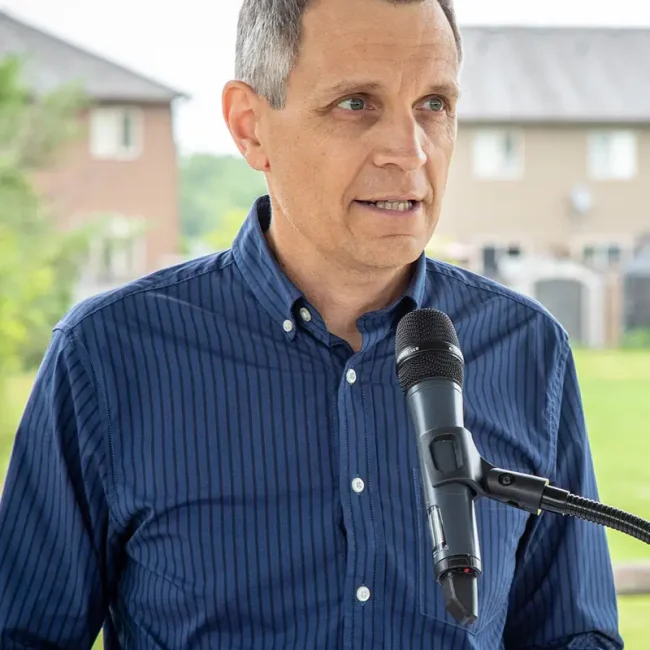
Mark Sutcliffe
Mayor of Ottawa
- Position
- Support
- Coverage
- Extensive public information
- Evidence
- Direct campaign platform
- Reviewed
- Sep 8, 2026
Supports a combined strategy of stronger frontline police and emergency services, expanded civilian crisis response, visible downtown security, better lighting and coordinated outreach and housing supports.
Key commitments
- Continue increased investment in Ottawa Police Service staffing and district policing.
- Maintain additional paramedic, fire, by-law and public-safety resources funded through the 2026 budget.
- Expand ANCHOR civilian crisis response into more neighbourhoods.
- Use police and special constables for crime and public-order needs while directing appropriate crisis calls to civilian teams.
- Maintain enhanced ByWard Market security, the Neighbourhood Operations Centre and dedicated police resources.
- Improve downtown lighting, public spaces, transit areas, cleanup and the Rideau-Sussex underpass.
- Coordinate homelessness outreach, paramedic care and links to housing, mental-health and addiction services.
- Seek federal participation in costs associated with Ottawa’s national-capital role.
Read the full position
Mark Sutcliffe’s community-safety approach combines enforcement, emergency response, alternative crisis services and neighbourhood investment. His 2026 Public Safety Action Plan and budget supported 25 additional Ottawa Police Service positions, 23 new paramedics, six additional by-law positions, equipment and facility investments for fire and emergency services, and improvements intended to reduce response delays.
A major component is expansion of ANCHOR, Ottawa’s civilian response for certain mental-health and substance-use calls. The City reported 4,464 calls in the program’s first year, with 92 percent handled without police. Sutcliffe supported $700,000 to accelerate expansion into additional neighbourhoods. His approach does not frame alternative response as a substitute for police; it is intended to direct appropriate calls away from police while police concentrate on crime, violence and public-order responsibilities.
For the ByWard Market and downtown, Sutcliffe’s action plan includes increased police presence through MarketSafe and the mounted unit, the Neighbourhood Operations Centre, dedicated community police and resource teams, $1 million in enhanced security over two years, dedicated paramedics, centralized homelessness outreach, street and underpass improvements, additional lighting and partnerships connecting people to housing, health and addiction services.
He also argues that Ottawa’s role as the national capital creates policing and security costs that should not fall exclusively on municipal taxpayers. The principal evaluation question is whether increased staffing and multiple overlapping downtown initiatives produce sustained reductions in crime, disorder and emergency calls, rather than only greater visible presence or short-term displacement.
Supporting sources (5)
- ByWard Market Action Plan Office of Mayor Mark Sutcliffe Open source ↗
- Mayor Sutcliffe presents City's Public Safety Action Plan City of Ottawa · Dec 3, 2025 Open source ↗
- Council approves Ottawa's 2026 Budget City of Ottawa · Dec 10, 2025 Open source ↗
- Ottawa Police Service 2026 Budget Ottawa Police Service Open source ↗
- Council approves projects to enhance the downtown and ByWard Market experience City of Ottawa · May 27, 2026 Open source ↗
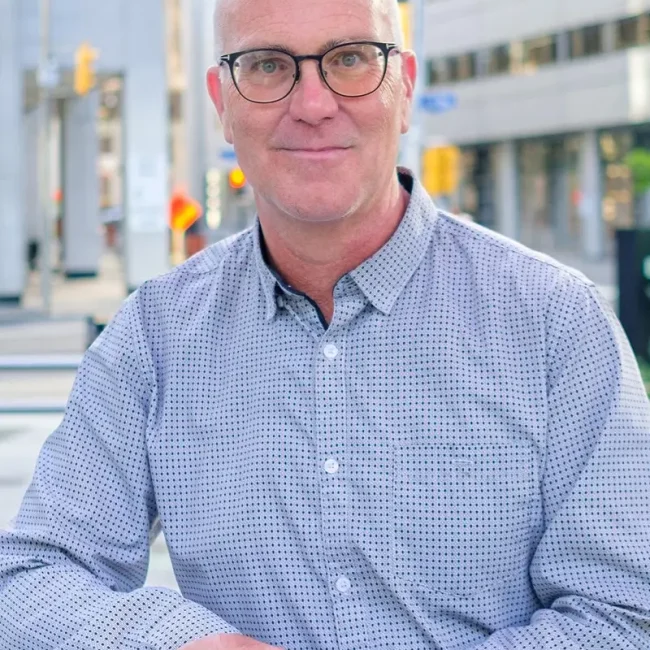
Jeff Leiper
Mayoral Candidate
- Position
- Support
- Coverage
- Extensive public information
- Evidence
- Direct campaign platform
- Reviewed
- Sep 8, 2026
Would permanently fund and expand civilian crisis response, shift non-core calls away from police, increase demand-based by-law staffing and seek federal agreements for national-capital security costs.
Key commitments
- Make ANCHOR crisis-response funding permanent.
- Expand ANCHOR citywide.
- Tie future growth of alternative crisis response to increases in the police budget.
- Shift non-core police responsibilities to appropriate alternative response models.
- Allow police to focus on core community-safety responsibilities.
- Increase by-law staffing and deploy it according to service demand.
- Negotiate federal agreements covering security and policing pressures associated with Ottawa’s national-capital role.
Read the full position
Jeff Leiper’s Safety That Works platform argues that public safety requires the right response rather than a one-size-fits-all police response. He includes policing within the safety system but also emphasizes by-law enforcement, mental-health support and civilian crisis response.
His most specific commitment is to make ANCHOR funding permanent and expand the service citywide. He proposes linking future ANCHOR growth to increases in the police budget, creating a built-in expectation that investment in conventional policing should be accompanied by investment in non-police crisis capacity. He would also move non-core responsibilities to alternative response services so police officers can focus on crime and other core community-safety work.
Leiper would increase by-law staffing and deploy personnel based on service demand in order to improve response times. This reflects his broader view that neighbourhood safety includes property standards, nuisance enforcement and everyday municipal responsiveness, not only serious crime.
He also argues that Ottawa experiences costs and policing pressures because it is the national capital. His platform commits to negotiating clearer agreements with federal partners so those responsibilities are not downloaded onto the municipal tax base.
The reviewed platform provides less detail on police staffing numbers, the total police budget, downtown-specific enforcement, fire and paramedic capacity, violence prevention, traffic enforcement and measurable safety outcomes. His position is nevertheless clear on the division of calls and resources between police and alternative responders.
Supporting sources (3)
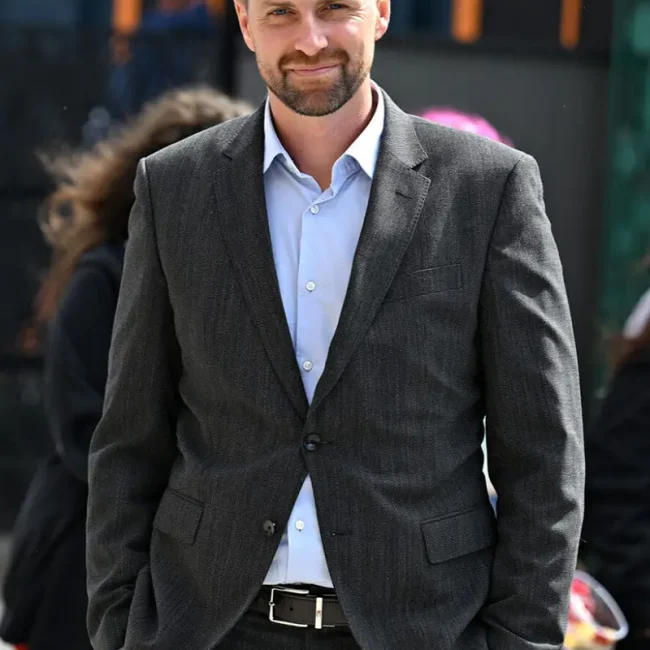
Alex Lawson
Mayoral Candidate
- Position
- Under Review
- Coverage
- Moderate public information
- Evidence
- No clear public position found
- Reviewed
- Sep 8, 2026
Promises support for frontline services and practical action on visible disorder and neighbourhood safety, but has not yet released a detailed policing or community-safety platform.
Key commitments
- Support frontline safety services.
- Address visible disorder through practical measures and partnerships.
- Focus on results residents can see in their own neighbourhoods.
- Create rural road-safety standards that consider speed, sightlines, school routes and local conditions.
- Replace inappropriate one-size-fits-all traffic warrants where they delay rural safety improvements.
- Publish a detailed police, crisis-response, by-law and emergency-services policy; none was available at verification.
Read the full position
Alex Lawson’s official campaign overview says every resident should feel safe in their neighbourhood. It commits broadly to supporting frontline services, addressing visible disorder, working with appropriate partners and focusing on practical, measurable improvements. This establishes safety as a campaign priority but does not yet specify staffing, budgets, service models or timelines.
Lawson has published a more specific road-safety proposal for rural Ottawa. He argues that traffic warrants designed for high-volume urban roads can deny crosswalks, stop controls and other interventions in villages and rural communities even where speeds, sightlines and collision history create serious risk. He would create a rural standard that weighs local conditions, school routes, speeds and visibility rather than applying the same volume thresholds used downtown.
His broader campaign style is management-focused: identify a concrete failure, review the operating rules and change the system so frontline services produce better outcomes. That approach may eventually inform policing, by-law and emergency response, but Compare Ottawa does not infer policies that have not been published.
As of July 29, 2026, no dedicated Lawson policy was located setting police or by-law staffing levels, ANCHOR funding, downtown enforcement measures, emergency-response targets, violence-prevention programs or federal security cost-sharing. His current profile is therefore incomplete and should be updated after the promised safety policy is released.
Supporting sources (2)

Neil Saravanamuttoo
Economist and community advocate
- Position
- Under Review
- Coverage
- Extensive public information
- Evidence
- Direct campaign platform
- Reviewed
- Sep 8, 2026
Saravanamuttoo supports neighbourhood safety councils and stronger local control, but has not yet released a detailed citywide platform on policing, emergency response, violence prevention or community-safety spending.
Key commitments
- Create neighbourhood safety councils.
- Give communities a stronger voice in local priorities.
- No detailed policing or emergency-response platform identified as of July 29, 2026.
Read the full position
Saravanamuttoo identifies community safety as a concern and proposes neighbourhood safety councils as part of his broader community-control agenda. The concept is intended to give residents a more direct role in setting local priorities and building safer, more connected neighbourhoods.
The campaign material reviewed does not yet provide detailed proposals on police governance, staffing, emergency response, traffic enforcement, violence prevention, hate-motivated incidents or alternative crisis response. His position is therefore only partially developed.
Supporting sources (1)
Evidence library
Sources used for this issue
Sources may be cited by more than one candidate position. Duplicate links are shown only once here.
- ByWard Market Action Plan Office of Mayor Mark Sutcliffe Open source ↗
- Mayor Sutcliffe presents City's Public Safety Action Plan City of Ottawa · Dec 3, 2025 Open source ↗
- Council approves Ottawa's 2026 Budget City of Ottawa · Dec 10, 2025 Open source ↗
- Ottawa Police Service 2026 Budget Ottawa Police Service Open source ↗
- Council approves projects to enhance the downtown and ByWard Market experience City of Ottawa · May 27, 2026 Open source ↗
- A City That Works — Safety That Works Jeff Leiper 2026 Campaign Open source ↗
- Jeff Leiper for Mayor Jeff Leiper 2026 Campaign Open source ↗
- Ottawa Deserves Better — Safety Alex Lawson for Mayor Campaign Open source ↗
- A country road isn't a downtown street Alex Lawson for Mayor Campaign · Jul 20, 2026 Open source ↗
- My priorities for Ottawa Neil Saravanamuttoo for Mayor Campaign Open source ↗
Public transparency
How this page was assembled
This issue page compares each candidate using public campaign material, official records, interviews and credible reporting.
- Positions reviewed
- 4
- Sources cited
- 11
- Directly attributed
- 3
- Last reviewed
- Sep 8, 2026
What these labels mean
Coverage describes how much specific public information supports a summary. It does not rate the candidate or policy.
Evidence basis explains whether a conclusion comes directly from a campaign platform or statement, or is inferred from an official record, municipal policy or reporting.
How updates and corrections work
Research is revised when candidates publish new material, a source changes, or a reader identifies an error. Updates are reflected in the reviewed dates shown throughout the site.
Correction suggestions should include the page, statement and supporting source so the claim can be checked.